
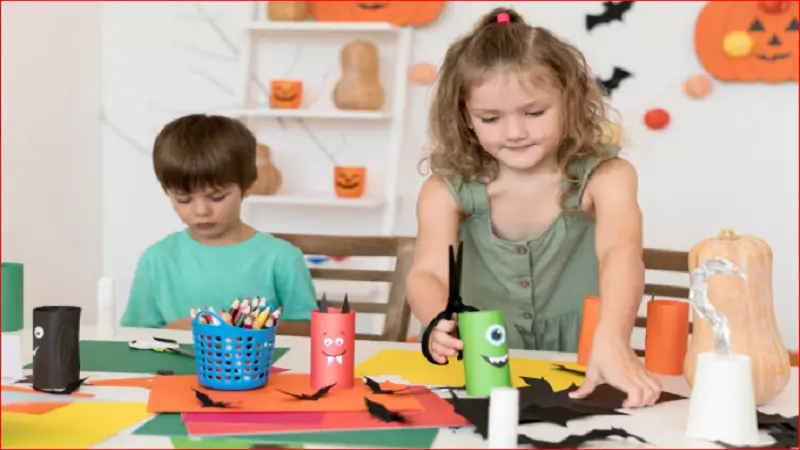
Creative activities are an important part of learning and entertainment for both children and adults. Fun projects improve imagination, reduce stress, and encourage social interaction. Many people enjoy making handmade items because they provide a sense of achievement and help develop useful skills. Learning how to make playful activities lwmfcrafts can inspire individuals to create exciting games, decorations, and educational projects using simple materials available at home.
Playful crafting does not require expensive tools or professional experience. With a little creativity, paper, paint, fabric, and recycled materials can be transformed into enjoyable projects. These activities also help improve focus, communication, and teamwork. This article explains different creative ideas, benefits of playful crafting, and useful guidelines for making enjoyable handmade activities.
Why Playful Craft Activities Are Important
Creative projects are more than simple entertainment. They offer mental, emotional, and educational advantages that support personal growth.
Encouraging Creativity
Craft activities allow people to think differently and explore new ideas. Every project can be designed in a unique way, which helps improve imagination and artistic confidence.
Improving Problem-Solving Skills
When creating handmade items, individuals often learn how to solve small challenges such as choosing materials, arranging colors, or fixing mistakes. This process strengthens practical thinking skills.
Supporting Emotional Relaxation
Creative work can reduce stress and provide a calming experience. Painting, cutting paper, or building small decorations often helps people feel more relaxed after busy daily routines.
Building Social Interaction
Many playful projects are completed in groups. Families, friends, and classmates can work together, improving communication and teamwork.
Learning how to make playful activities lwmfcrafts also encourages people to spend less time on screens and more time developing real-world creative skills.
Materials Commonly Used for Fun Craft Projects
Simple craft materials can be found in most homes or local stores. Using affordable items makes activities accessible for everyone.
Paper and Cardboard
Colored paper, recycled boxes, and cardboard sheets are excellent for creating masks, greeting cards, puzzles, and decorations.
Paint and Coloring Tools
Markers, crayons, pencils, and watercolor paints help add bright and attractive details to handmade projects.
Glue and Tape
Adhesive materials are essential for connecting pieces together and creating durable designs.
Fabric and Thread
Old clothes or leftover fabric can be transformed into dolls, decorative items, or creative art pieces.
Natural Materials
Leaves, stones, flowers, and sticks can also be used to create eco-friendly projects inspired by nature.
Simple Playful Craft Ideas
There are many creative activities suitable for different age groups. These projects can be completed at home, in schools, or during community events.
Paper Animal Masks
Children enjoy creating animal masks from colored paper and cardboard. They can cut ears, paint faces, and add elastic strings for wearing the masks during games or performances.
DIY Treasure Hunt
A homemade treasure hunt encourages teamwork and problem-solving. Small clues can be hidden around a room or garden, leading participants toward a final reward.
Handmade Greeting Cards
Decorative greeting cards are enjoyable to create for birthdays, celebrations, or special occasions. Adding stickers, drawings, and colorful messages makes every card personal and unique.
Recycled Bottle Decorations
Plastic bottles can be reused as flower holders, pencil containers, or hanging decorations. This project also teaches the importance of recycling materials creatively.
Puppet Making
Paper bags, socks, or fabric scraps can become entertaining puppets for storytelling activities. Puppet shows improve imagination and speaking confidence.
Educational Benefits of Creative Crafting
Craft activities often support learning in fun and interactive ways. Schools and parents use creative projects to teach important lessons while keeping children engaged.
Learning Shapes and Colors
Young children recognize patterns, shapes, and colors through drawing and cutting activities.
Improving Hand Coordination
Crafting requires careful hand movement, which strengthens fine motor skills and coordination.
Encouraging Patience
Creative projects take time and concentration. Completing a craft teaches patience and responsibility.
Developing Communication Skills
Group activities encourage participants to share ideas and explain their creative choices clearly.
People interested in how to make playful activities lwmfcrafts often discover that these projects combine entertainment with valuable educational experiences.
Guidelines for Successful Craft Activities
Following simple guidelines can make crafting more enjoyable and organized.
Keep materials safe.
Use child-friendly scissors, non-toxic paints, and safe materials, especially when children participate in activities.
Prepare the workspace.
A clean and organized table helps prevent confusion and keeps supplies easy to find.
Encourage Original Ideas
Every participant should feel free to experiment with different colors, patterns, and designs.
Use Recycled Items
Reusing old materials saves money and supports environmental awareness.
Focus on Enjoyment
The purpose of playful crafting is creativity and enjoyment rather than perfection.
Modern Trends in Creative Activities
Crafting continues to evolve with modern technology and changing lifestyles. Today, many people combine traditional handmade techniques with digital inspiration from online tutorials and social platforms.
Eco-friendly crafting has become increasingly popular because people want sustainable and reusable materials. Personalized decorations are also in demand since handmade items often carry emotional value and originality.
Another modern trend connected with how to make playful activities lwmfcrafts is educational crafting. Parents and teachers now use creative projects to make learning subjects such as science, mathematics, and history more interactive and interesting.
How Families Can Enjoy Craft Time Together
Family crafting sessions create positive memories and strengthen relationships. Parents can organize weekly activity sessions where everyone participates in a creative project together.
Simple activities like painting flowerpots, making wall decorations, or designing handmade toys allow family members to share ideas and cooperate. These moments encourage communication while reducing boredom and stress.
Children also feel proud when their handmade projects are displayed at home. This recognition motivates them to continue exploring artistic interests and improving their creative abilities.
Conclusion
Creative crafting is an enjoyable and valuable activity that supports imagination, learning, and emotional relaxation. Handmade projects help people express their ideas while improving practical skills and social interaction. From paper masks and puppet shows to recycled decorations and greeting cards, playful crafting offers endless opportunities for fun and creativity.
Understanding how to make playful activities lwmfcrafts encourages individuals and families to explore creative experiences using simple and affordable materials. These activities provide entertainment, inspire originality, and help build meaningful connections through artistic expression. As interest in handmade creativity continues growing, playful craft projects will remain an important part of learning and recreation for people of all ages.