
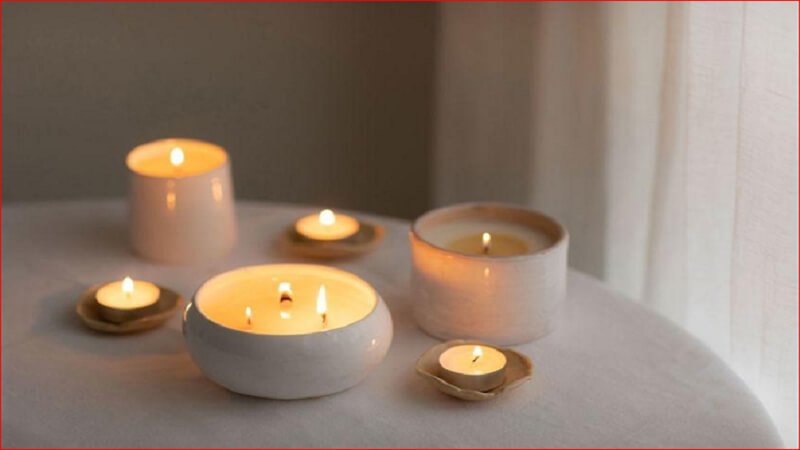
Scented candles have become a popular addition to homes, offices, spas, and other environments where comfort and ambiance matter. More than simple decorative items, candles have the ability to transform a space through both light and fragrance. Whether used for relaxation, meditation, entertaining guests, or enhancing interior décor, scented candles offer a unique sensory experience that appeals to people of all ages.
The growing interest in home fragrance products has also increased awareness of fragrance oils, which play a crucial role in determining the quality and performance of scented candles. Understanding how candles are made, how fragrance oils work, and what factors influence scent performance can help consumers make informed choices when selecting products for their homes.
Understanding the Role of Fragrance Oils in Candle Making
High-quality fragrance oils are the foundation of every successful scented candle. Businesses such as Scented Flame Candle Supply provide materials that help candle makers create products with appealing aromas and consistent performance. Fragrance oils are specially formulated blends designed to disperse scent effectively when a candle is both burning and unlit.
Unlike essential oils, which are extracted directly from plants, fragrance oils can combine natural and synthetic ingredients to create a wider variety of scent profiles. This flexibility allows manufacturers to develop fragrances inspired by flowers, fruits, desserts, seasonal themes, and even complex luxury perfume blends.
The quality of a fragrance oil significantly impacts how well a candle performs. Premium fragrance oils are designed to withstand the heat generated during burning while maintaining their intended aroma characteristics throughout the candle’s lifespan.
Types of Wax Used in Scented Candles
The wax used in a candle plays an important role in scent throw, burn quality, and overall performance. Different waxes have unique properties that influence how fragrance oils are released into the surrounding environment.
Soy Wax
Soy wax is derived from soybean oil and has become one of the most popular choices among candle makers. It burns cleanly and slowly, making it ideal for consumers seeking environmentally conscious options. Soy wax generally provides excellent fragrance retention and creates a smooth, attractive finish.
Paraffin Wax
Paraffin wax has been widely used in candle manufacturing for decades. It offers strong scent throw and vibrant color performance. Because of its affordability and effectiveness, paraffin remains a common choice for both hobbyists and large-scale manufacturers.
Beeswax
Beeswax is a natural wax produced by honeybees. It is known for its long burn time and subtle natural aroma. Although beeswax candles are often enjoyed without added fragrance, they can also be blended with fragrance oils to create unique scented products.
Coconut Wax
Coconut wax is valued for its clean-burning characteristics and luxurious appearance. It blends well with other waxes and is often used in premium candle formulations. Many candle enthusiasts appreciate its excellent scent distribution and smooth texture.
How Fragrance Oils Influence Candle Performance
Fragrance oils contribute to two important aspects of a scented candle’s performance: cold throw and hot throw.
Cold Throw
“Cold throw” refers to the scent that a candle emits when it is not burning. A strong cold throw allows consumers to enjoy the fragrance immediately after opening the product or placing it in a room.
Hot Throw
“Hot throw” describes the fragrance released when the candle is lit. During burning, the heat melts the wax and helps disperse fragrance molecules into the air. A well-formulated candle should provide a balanced and pleasant hot throw without becoming overwhelming.
Several factors influence scent performance, including fragrance oil concentration, wax type, wick selection, and curing time. Successful candle makers carefully test these variables to achieve optimal results.
Popular Fragrance Categories for Candles
Consumer preferences vary widely, but several fragrance categories consistently remain popular in the candle market.
Floral Fragrances
Floral scents such as rose, lavender, jasmine, and peony create a calming and elegant atmosphere. These fragrances are frequently used in bedrooms, spas, and relaxation spaces.
Fruity Fragrances
Fruit-inspired scents offer freshness and energy. Popular options include apple, citrus, berry, mango, and peach fragrances. These aromas often appeal to consumers seeking vibrant and uplifting environments.
Bakery and Dessert Fragrances
Many candle lovers enjoy scents that evoke memories of freshly baked treats. Vanilla, cinnamon roll, caramel, chocolate, and sugar cookie fragrances create feelings of warmth and comfort.
Woodsy and Earthy Fragrances
Fragrances inspired by cedarwood, sandalwood, pine, and amber provide a rich and sophisticated atmosphere. These scents are particularly popular during cooler seasons and in rustic home settings.
Seasonal Fragrances
Seasonal candles often feature combinations associated with specific times of the year. Pumpkin spice, peppermint, evergreen, and cranberry scents frequently appear during holiday seasons and special occasions.
Tips for Choosing the Right Scented Candle
Selecting the ideal scented candle depends on personal preferences and intended use. Consumers can benefit from considering several factors before making a purchase.
First, think about the size of the room where the candle will be used. Larger spaces may require candles with stronger scent throw, while smaller rooms often benefit from more subtle fragrances.
Second, consider the mood you want to create. Relaxing scents such as lavender and chamomile may be suitable for bedrooms, while energizing citrus fragrances can work well in kitchens or workspaces.
Third, pay attention to ingredient quality. Reputable manufacturers often provide information about wax types, fragrance oils, and safety standards. Transparent product descriptions can help consumers make more informed decisions.
Finally, experimenting with different fragrance families can help individuals discover new favorites that complement their personal tastes and lifestyles.
The Growing Demand for Home Fragrance Products
The home fragrance industry continues to expand as consumers increasingly seek products that enhance comfort and personal well-being. Scented candles remain one of the most accessible and versatile fragrance options available.
Advancements in fragrance oil technology, sustainable wax alternatives, and innovative candle designs have contributed to the industry’s growth. Consumers now have access to a broader range of scent experiences than ever before, allowing them to personalize their living spaces according to their preferences.
As interest in home fragrance continues to rise, candle makers are responding with creative scent combinations, environmentally conscious materials, and improved product performance. These innovations help ensure that scented candles remain a popular choice for creating inviting and memorable environments.
Conclusion
Scented candles offer much more than decorative appeal. They combine fragrance, light, and atmosphere to create enjoyable sensory experiences in homes and commercial spaces alike. The careful selection of waxes, fragrance oils, and production methods directly influences candle quality and performance. Companies such as Scented Flame Candle Supply support this growing industry by providing materials that help candle makers develop products with exceptional fragrance and consistency. As consumer interest in home fragrance continues to evolve, scented candles will remain an important and cherished part of everyday living.
See More