
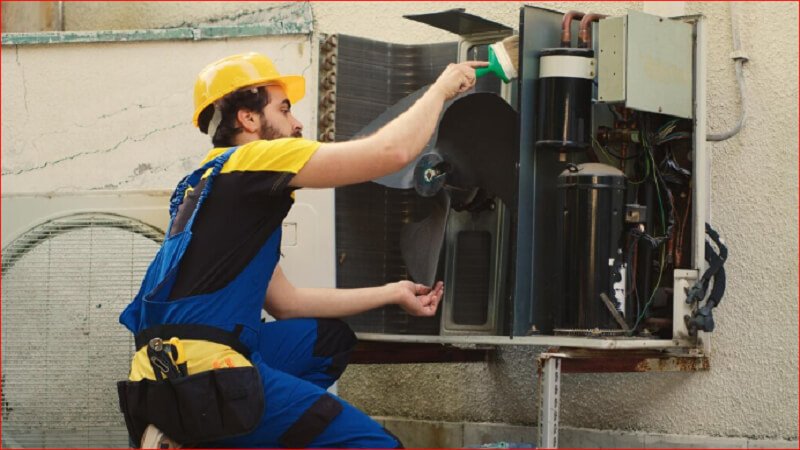
Extreme weather conditions place continuous pressure on indoor environments, making temperature control and air circulation essential for comfort and safety. Heating and cooling systems are central to daily living when outdoor temperatures shift beyond normal ranges. Without consistent system performance, buildings can quickly become uncomfortable or even unsafe. Reliable operational support helps maintain steady indoor conditions, reduces strain on equipment, and extends system life during demanding periods.
Understanding how these systems respond to environmental stress highlights the value of preparation and timely intervention. Proper attention to system behavior ensures homes and workplaces remain functional, regardless of external climate changes.
How Weather Impacts Indoor Systems
-
System Strain During Temperature Extremes
HVAC systems experience their highest levels of stress when outdoor temperatures rise or fall sharply within short periods. During intense heat, cooling units must operate continuously to counter rising indoor temperatures, while cold spells require heating systems to maintain warmth against persistent heat loss through walls, windows, and roofing structures. This constant cycling places pressure on compressors, fans, coils, and electrical components, often accelerating wear if the system is not properly supported. Dust accumulation and airflow restrictions can further reduce efficiency, forcing the system to work harder than necessary. Over time, this added strain may lead to uneven temperature distribution, higher energy use, and a greater likelihood of unexpected breakdowns.
Ensuring steady performance during such conditions requires consistent monitoring and timely response to early warning signs, helping maintain comfort and preventing long-term system damage that can become costly and disruptive in both residential and commercial environments.
-
Regional Climate Demands and Response Needs
Different geographic regions experience unique climate pressures that directly influence how HVAC systems are expected to perform throughout the year. In hotter environments, cooling systems may operate for extended hours, while colder climates demand sustained heating output over long winter cycles. These variations require adaptable system behavior and responsive operational care to prevent inefficiencies during peak demand periods. In areas where temperatures fluctuate widely within a single day, systems are required to adjust quickly without losing stability or performance quality. In such conditions, HVAC support in Tucson AZ becomes particularly important for managing rapid heat exposure and maintaining indoor comfort levels without overloading equipment.
Proper system responsiveness ensures that energy consumption remains controlled even when external temperatures are unpredictable, allowing both residential and commercial spaces to maintain consistent comfort without unnecessary strain on mechanical components or electrical infrastructure.
-
Humidity and Thermal Imbalance Effects
Humidity plays a significant role in how HVAC systems perform under extreme weather conditions, often influencing perceived comfort as much as temperature itself. When moisture levels are too high, cooling systems must remove excess humidity while also lowering temperature, which increases workload and reduces efficiency. Conversely, extremely dry conditions can affect heating performance and indoor air quality, leading to discomfort and potential respiratory irritation. Thermal imbalance between different zones in a building can also create uneven cooling or heating, forcing systems to compensate by running longer cycles. These fluctuations may not only affect comfort but also contribute to inconsistent system performance over time.
Addressing humidity control and temperature balance is essential for maintaining stable indoor environments, especially during weather extremes where external conditions shift rapidly. Proper airflow distribution and system calibration help reduce unnecessary stress, allowing equipment to operate more smoothly and maintain consistent output across all areas of a building.
-
Energy Stability and Equipment Reliability
Energy stability becomes a critical factor during extreme weather, as HVAC systems often operate at full capacity for extended periods. Sudden power fluctuations or inconsistent electrical supply can disrupt system performance, leading to reduced efficiency or unexpected shutdowns. These interruptions may place additional stress on internal components when systems attempt to restart or compensate for lost operation time. Reliable electrical infrastructure supports smoother operation and reduces the likelihood of damage during high-demand cycles. Equipment reliability also depends on how well components are maintained and how efficiently they can handle continuous use. Motors, compressors, and control boards must function cohesively under pressure to ensure consistent airflow and temperature regulation.
When systems are not properly supported, minor inefficiencies can escalate into larger operational issues. Maintaining stable energy input and ensuring equipment readiness helps preserve system integrity during demanding weather conditions and reduces the risk of long-term performance decline.
-
Indoor Air Quality Under Stress Conditions
Indoor air quality often declines during extreme weather periods due to increased system usage and reduced natural ventilation. As HVAC systems circulate air continuously, filters can become overloaded with dust, allergens, and airborne particles, reducing overall air cleanliness. This can lead to discomfort, especially for individuals sensitive to environmental changes. In tightly sealed buildings designed to retain temperature, contaminants may accumulate more quickly without proper filtration and airflow management. Poor air quality can also affect system efficiency, as restricted airflow forces equipment to work harder to maintain desired conditions. Ensuring clean air circulation during heavy system use becomes essential for both comfort and health.
Regular attention to filtration systems and airflow pathways helps maintain a balanced indoor environment, even when external conditions prevent natural ventilation. Consistent air quality management supports overall system performance and contributes to a healthier living or working space during prolonged periods of extreme weather.
-
Maintenance Readiness During Weather Shifts
Preparation plays a vital role in ensuring HVAC systems can handle sudden changes in weather without performance disruption. Systems that are regularly inspected and maintained tend to respond more effectively to temperature spikes or drops, reducing the risk of failure during critical periods. Components such as filters, coils, and drainage systems must remain clear and functional to support uninterrupted operation. Preventive attention helps identify small inefficiencies before they develop into larger mechanical problems that could compromise system reliability.
During seasonal transitions, systems often experience increased demand as they adjust from heating to cooling or vice versa, making readiness even more important. Operational consistency during these shifts depends on how well the system has been maintained throughout the year. By ensuring all components are functioning properly before extreme weather arrives, buildings can maintain stable indoor environments without sudden interruptions or performance drops that could affect comfort and safety.
-
System Performance and Environmental Pressure Balance
HVAC systems operate as a critical bridge between outdoor environmental conditions and indoor comfort requirements, especially during extreme weather periods. When external temperatures become severe, the system must maintain a stable balance without overexerting its mechanical components. This balance depends on how effectively airflow, temperature regulation, and energy use are managed throughout continuous operation cycles. Environmental pressure can vary significantly within short timeframes, requiring systems to adjust quickly while maintaining efficiency and reliability. Without proper support, prolonged exposure to such conditions can lead to reduced performance and increased wear on essential components.
Maintaining equilibrium between environmental demand and system capability ensures that indoor spaces remain comfortable and functional. Careful monitoring and timely adjustments help preserve system stability, allowing equipment to respond effectively to external changes without compromising long-term durability or operational consistency.
Extreme weather conditions place ongoing demands on HVAC systems, making reliable performance essential for maintaining safe and comfortable indoor environments. Temperature extremes, humidity fluctuations, and energy instability all contribute to increased system workload that can affect efficiency and longevity. Proper system care ensures that these challenges are managed effectively, reducing the risk of breakdowns during critical periods. Attention to airflow, air quality, and mechanical responsiveness supports consistent performance even under sustained pressure.
When systems are prepared for environmental stress, they operate more efficiently and deliver stable results across changing conditions. Understanding the relationship between external climate and indoor system behavior highlights the importance of ongoing attention to operational health, ensuring comfort and reliability throughout all seasons.
See More