
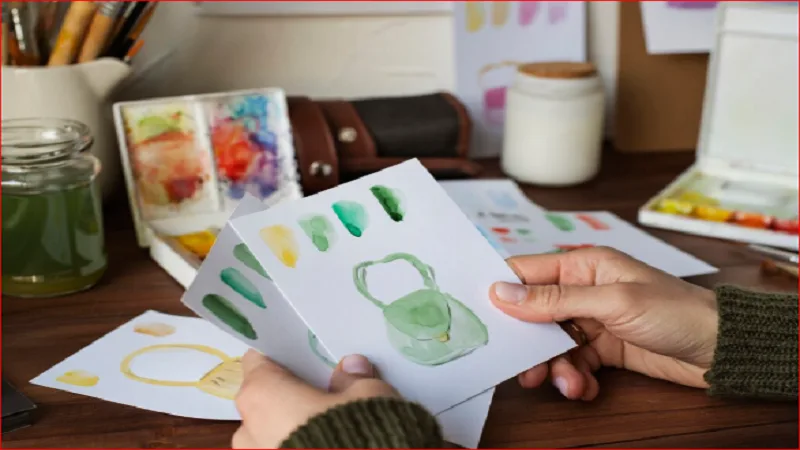
Crafting is more than just a hobby. It is a creative activity that brings relaxation, learning, and joy into everyday life. People of all ages enjoy making simple projects using paper, colors, fabric, and recycled materials. Whether you are a beginner or someone with experience, having a clear and practical guide makes crafting easier and more enjoyable. This article provides helpful information, clear guidelines, and easy ideas to help you understand and enjoy the world of crafts in a simple way.
Introduction to Crafting
Crafting involves creating decorative or useful items by hand. It encourages creativity and allows people to express their thoughts and ideas. Craft activities can be done alone or with family and friends. Many people turn to crafting to relax, reduce stress, or spend quality time with loved ones.
The purpose of infoguide lwmfcrafts is to offer a clear understanding of crafting basics, materials, ideas, and helpful tips so that anyone can start confidently.
Why Crafting Is Important
Crafting plays a positive role in mental, emotional, and physical development. It supports both children and adults in different ways.
Encourages Creativity
Crafting allows people to think freely and design unique projects.
Improves Focus
When working on a craft, attention naturally improves.
Reduces Stress
Creative activities help calm the mind and provide relaxation.
Builds Confidence
Completing a project gives a sense of achievement.
Basic Guidelines for Successful Crafting
Before starting any craft project, following simple guidelines ensures better results and a positive experience.
-
Choose Simple Projects
Beginners should start with easy activities before moving to complex designs. -
Use Safe Materials
Non-toxic colors, child-safe scissors, and soft tools are important, especially for children. -
Prepare the Workspace
Keep the area clean, organized, and well-lit. -
Follow Clear Steps
Read or plan steps carefully before beginning. -
Enjoy the Process
Focus on creativity rather than perfection.
These basic rules make crafting more enjoyable and stress-free.
Common Craft Materials
You do not need expensive tools to begin crafting. Many useful materials are already available at home.
-
Paper and cardboard
-
Crayons, markers, and paints
-
Glue and tape
-
Fabric pieces and yarn
-
Recycled materials like plastic bottles and boxes
Using simple materials makes crafting affordable and accessible.
Craft Ideas for Children
Children benefit greatly from hands-on activities. Crafting improves their imagination and coordination.
Coloring and Drawing
Basic coloring activities help develop motor skills.
Paper Collage
Cutting and pasting shapes improves creativity and learning.
Handprint Art
Using handprints to create animals or patterns is fun and easy.
Story Crafting
Drawing characters and creating short stories encourages imagination.
These simple projects are easy to manage and enjoyable for young learners.
Craft Ideas for Teenagers
Teenagers often prefer projects that allow independence and creativity.
Art Journaling
Combining writing and drawing helps express thoughts and emotions.
DIY Room Decorations
Making posters or wall hangings adds a personal touch to rooms.
Jewelry Making
Creating bracelets or necklaces using beads is both simple and stylish.
Creative Challenges
Setting time-based craft goals makes activities more exciting.
These ideas align well with the practical guidance provided in infoguide lwmfcrafts.
Craft Ideas for Adults
Crafting is not only for children. Adults can also enjoy creative activities.
Decorative Home Items
Painting jars or creating simple wall art adds beauty to living spaces.
Handmade Cards
Designing greeting cards makes special occasions more meaningful.
Stress-Relief Coloring
Coloring patterns helps relax the mind after a busy day.
Family Craft Time
Working on projects together strengthens family bonds.
Adults often use crafting as a form of relaxation and mindfulness.
Using Recycled Materials in Crafting
Recycling adds creativity and responsibility to crafting.
-
Cardboard boxes can become organizers
-
Plastic bottles can be turned into planters
-
Old magazines are perfect for collage art
-
Fabric scraps can create small decorative items
Recycled crafts are budget-friendly and environmentally helpful.
Tips for Improving Craft Skills
Improvement comes with practice and patience. Follow these tips to enhance your crafting experience:
-
Start with simple designs
-
Practice regularly
-
Watch tutorials or read instructions carefully
-
Experiment with new materials
-
Keep finished projects organized
The structured approach explained in infoguide lwmfcrafts encourages steady improvement without pressure.
Common Mistakes to Avoid
Avoiding mistakes can make crafting more enjoyable.
-
Choosing overly complex projects
-
Skipping steps
-
Ignoring safety guidelines
-
Comparing your work to others
-
Rushing through projects
Crafting should remain fun and relaxing rather than stressful.
Creating a Craft Routine
Developing a small craft routine can help maintain creativity.
-
Set aside a specific time each week
-
Keep materials in one organized place
-
Involve family members
-
Try new ideas regularly
-
Celebrate small achievements
A regular routine helps turn crafting into a healthy habit.
Conclusion
Crafting is a simple yet powerful activity that benefits people of all ages. It encourages creativity, improves focus, and reduces stress. With basic materials and clear guidelines, anyone can start crafting at home. By following structured steps and practicing regularly, creativity grows naturally. The purpose of infoguide lwmfcrafts is to provide helpful and practical information so that crafting becomes easy, enjoyable, and meaningful for everyone.