
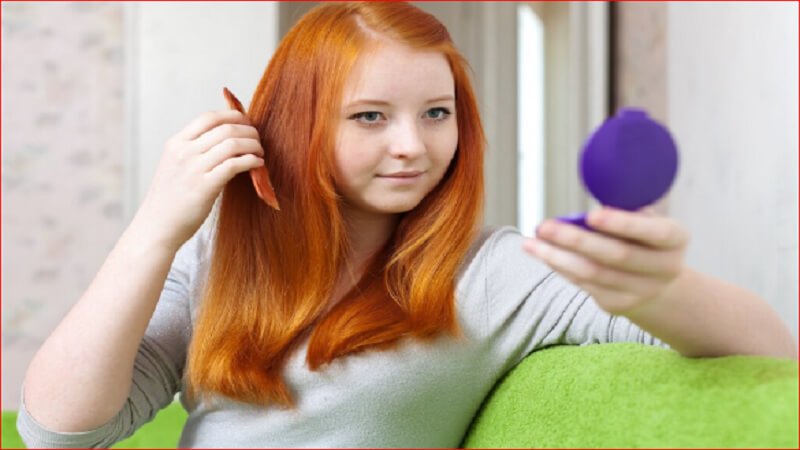
Hair growth is a natural, ongoing process that occurs in three distinct phases: anagen (growth), catagen (transition), and telogen (resting). During the anagen phase, hair actively grows from the follicle, and this stage lasts anywhere from 2 to 7 years, depending on genetics and overall health. The catagen phase is a brief transitional period when growth slows, and the follicle begins to shrink, while the telogen phase allows the hair to rest before it naturally sheds and makes way for new growth. Because each follicle operates independently, hair continuously renews itself rather than shedding all at once.
Supporting healthy hair growth involves more than understanding these phases; it also requires consistent care and a healthy lifestyle. A balanced diet rich in protein, iron, vitamins, and essential fatty acids helps nourish hair follicles, while proper scalp care promotes an environment where hair can thrive. Gentle styling habits, stress management, and adequate hydration also contribute to stronger, healthier strands. For individuals looking to complement these healthy practices, effective hair growth products for women may provide additional support by nourishing the scalp, strengthening existing hair, and promoting fuller, healthier hair when used as part of a consistent hair care routine. When combined with realistic expectations and a consistent regimen, these practices can help support healthier hair over the long term.
Nutritional Foundations for Healthy Hair
The cornerstone of healthy hair is a nutrient-dense diet. Hair follicles require adequate protein, vitamins, and minerals to function at their best. Proteins are the building blocks of hair strands, helping form strong, thick fibers that are resistant to breakage. Vitamins such as biotin, vitamin D, and vitamin E, along with minerals like iron and zinc, contribute to hair strand strength and promote optimal follicle activity.
Including foods like fatty fish, beans, nuts, eggs, and whole grains helps deliver these essential nutrients. Poor nutrition or restrictive diets can lead to weakened, slower-growing hair.
Scalp Care: The Root of Hair Wellness
A healthy scalp forms the foundation for strong, vibrant hair. Neglecting scalp care can lead to buildup or inflammation, which can stunt growth. Regular cleansing removes excess oils and products, while gentle scalp massages stimulate blood flow and nourishment to the follicles. Choosing scalp care products formulated for your hair type, whether dry, oily, or sensitive, ensures balanced hydration and creates an optimal environment for hair growth.
Addressing scalp concerns swiftly, such as dandruff or itchiness, prevents chronic irritation and supports uninterrupted hair growth cycles. Natural oils like tea tree or rosemary, as well as mild shampoos, can maintain scalp cleanliness and comfort. Pairing proper scalp hygiene with a balanced diet yields the best results for hair health and growth.
Gentle Handling to Prevent Breakage
Daily styling habits play a significant role in hair health. Excessive heat-styling, harsh brushing, or frequent tight hairstyles can cause unnecessary breakage and thinning over time. Use a wide-tooth comb or your fingers to gently detangle hair, starting from the ends and working upward to minimize stress on fragile strands.
Consider adopting protective styles, minimizing the use of elastic bands, and letting your hair air dry whenever possible. Being gentle helps preserve the integrity of each strand and supports length retention, keeping your hair in a healthy, natural state.
Regular Trims: A Counterintuitive Growth Strategy
Many people overlook the importance of regular hair trims, fearing they may halt their hair growth. However, it’s crucial to understand that trimming every 8 to 12 weeks is vital for maintaining healthy hair. By removing split ends before they can travel up the hair shaft, you prevent larger breaks or splits that can lead to more significant hair damage. Healthier ends not only contribute to a fuller appearance but also help you avoid losing length due to breakage. Additionally, regular trims can improve your hair’s overall texture, making it easier to style and manage. In the long run, investing in these regular haircuts is a smart choice for anyone looking to maintain long, luscious locks.
Hydration and Moisture Balance
Hair, like skin, needs adequate moisture to remain supple and strong. Deep conditioners and hydrating masks play a crucial role in replenishing and locking in moisture, which helps make strands less prone to brittleness and snapping. These treatments penetrate deeply, providing essential nutrients that fortify each strand from within. Additionally, applying a leave-in conditioner or light, nourishing oils can significantly enhance the softness and elasticity of your hair, especially if it’s dry or color-treated. Regularly moisturizing not only improves the overall appearance of your hair but also helps combat damage from environmental factors and heat styling. Taking the time to care for your hair with these products can lead to healthier, more resilient locks that shine with vitality.
Stress Management and Its Impact on Hair
High, ongoing stress can disrupt hair growth cycles, leading to shedding or thinning. Elevated cortisol levels push hair follicles into a resting phase, leading to noticeable hair loss later. To combat stress and its effects on hair, engage in regular exercise, mindfulness meditation, or enjoyable hobbies. Establishing a balanced routine that includes relaxation techniques can enhance overall well-being, promoting healthy hair and improved mental health. Prioritizing stress management is essential for reducing shedding and fostering a positive environment for hair growth.
Consistency: The Key to Long-Term Hair Wellness
Sustainable progress relies on a consistent, dedicated routine. Sticking to a schedule of washing, conditioning, and gentle handling produces compounding benefits over weeks and months. Each positive step, from nutrient intake to scalp massages, contributes to stronger, healthier strands and maintains progress over the long term.
Patience is critical. Results won’t happen overnight, but continual adherence to hair-healthy habits will yield visible, lasting improvements.
Conclusion
Healthy hair growth is the result of consistent care, balanced nutrition, and habits that support both your scalp and overall well-being. While genetics influence hair characteristics, daily choices, such as eating nutrient-rich foods, practicing gentle hair care, maintaining scalp health, staying hydrated, and managing stress, can help maximize your hair’s natural potential. By focusing on sustainable routines rather than quick fixes, you can encourage stronger, healthier hair over time. With patience and a proactive approach, long-term hair wellness becomes an achievable goal that benefits both the appearance and resilience of your hair.