
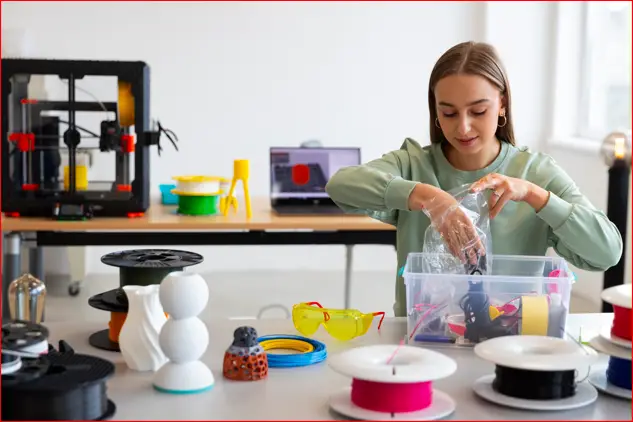
Hand made crafts have always served as a means for people to express themselves creatively, to solve every day issues, and to that of culture and tradition. In recent past craft has grown beyond the scope of a simple past time activity into what is in fact a skill set which plays host to imagination and function. An example of this is inventive lwmfcrafts which puts forth original ideas, practical design, and hands on learning. This article puts forth a very clear and informative guide to this creative trend, what it is about, and how any person may get in to it step by step.
Understanding the Concept of Creative Crafting
Creative craft is a field that goes beyond the decorative. We see in it the transformation of basic materials into practical or expressive items which comes about through planning, experiment, and patience. This process is a great for problem solving and innovation in particular when the creator is working with limited tools or recycled supplies.
Crafting can include: Creating can include:.
Paper and cardboard projects
Fabric and textile work
Wood and natural material designs
Mixed-media and recycled crafts
The main focus is on that which is creative as well as functional, in each project we include a lesson or a purpose.
Why Innovation Matters in Crafts
Innovating within crafts keeps traditional practices relevant at the same time as it enables new ideas to put down roots. As opposed to just repeating old designs we see today crafters that are into modern whichos use to play around with forms, textures and techniques. This in turn presents what is unique and very satisfying.
When people practice inventive methods, they: As individuals put forth creative approaches they:
Learn to think creatively
Improve fine motor skills
Gain confidence in problem-solving
Develop patience and focus
Through this means which is used by the lwmfcrafts the support of both artistic growth and practical skills is given which in turn makes it a fit for both beginners and experienced crafters.
Materials Commonly Used
In craft invention what we see is great flexibility in terms of materials. Many projects use things which you have at home, in your local shop. This also makes the craft very accessible and low cost.
Common materials include: Includes which are common:
Paper, newspapers, and cardboard
Fabric scraps, yarn, and thread
Popsicle sticks, twigs, and leaves
Bottles, jars, and recyclable plastics
Glue, scissors, and basic hand tools
Through creative combination of these elements crafters are able to produce useful and attractive objects without waste.
Basic Tools and Safety Guidelines
Using the best tools which fit the job make crafting go more smoothly and safely. Also most projects will only need basic equipment, but at the same time safety should always be first.
Basic tools: Fundamental tools:.
Safety scissors
Craft knife (with supervision if needed)
Ruler and pencil
Glue or tape
Paintbrushes
Safety guidelines: Safety precautions:.
Always work in a clean lighted space.
Store sharp tools properly
Take breaks to avoid strain
Follow instructions carefully
These guidelines which in turn provide for a positive and enjoyable crafting experience.
Step-by-Step Approach to Craft Projects
A structured approach to your craft is what makes it successful. Though creativity is key, planning is what brings ideas to life.
Step 1: Concept and Goal.
Determine what you want to create and why. Is it for decoration, education, or function?
Step 2: Material Choice.
Choose your materials based on what you have available and what you need for the project.
Step 3: Design and Development.
Draw out the end result first. This helps to avoid mistakes.
Step 4: Birth.
Build out the project gradually and adjust as required.
Step 5: Review and enhance.
Check out the complete piece and see what can be better next time.
This method is used in what some may call creative lwmfcrafts which also includes elements of thought out execution.
Benefits of Handmade Creative Work
Crafting has the benefit of more than just the end result it also aids in growth which is mental, emotional, and practical.
Key benefits: Key features:.
Reduces stress and improves focus
Encourages creativity and self-expression
Builds practical life skills
Promotes sustainability through reuse
In the fast paced digital age which is our present handcrafts like lwmf are a way for people to see the value in what is made by hand.
Educational Value of Crafting
Craft projects are a common tool in education which present theory in a practical setting. Children and beginners can learn:.
Measurement and geometry
Color theory and design
Basic engineering concepts
Planning and organization
Teachers and also parents use creative lwmfcrafts as a hands on way to support learning free of pressure.
Sustainability and Responsible Crafting
In the present age of crafting there is great focus on sustainability. We see that using recycled materials lessens waste and also which in turn instills a sense of responsibility.
Responsible crafting practices include: Responsible crafting which includes:.
Reusing household items
Avoiding unnecessary waste
Choosing natural or recyclable materials
Making durable, long-lasting items
These practices display the range of what lwmfcrafts can do in support of environmental issues at the same time which is very creative.
Challenges and How to Overcome Them
Like for any other skill, in the beginning we see that crafting has its challenges. Beginners also report to get frustrated at times when their project does not turn out as we had planned.
Common challenges: Issues of note:.
Lack of experience
Limited materials
Time management
Solutions: Solutions to:.
Start with simple projects
Learn from mistakes
Practice regularly
Seek inspiration, not comparison
Patience and consistency are what turn challenges into learning experiences.
Conclusion
Creative hand made work is a great way to put imagination, skill, and purpose together. Through thought out design, common materials, and organized methods, what we term crafting becomes at the same time enjoyable and meaningful. Inventive lwmfcrafts is a approach which puts forward originality, learning, and sustainability at the expense of complication. By use of simple guidelines which also encourage playfulness any person is able to find in the joy of creating something which is unique to them.